Ecoshield's Zone-Based Defense system is one of the most distinctive features of its IPM approach. Rather than applying a uniform treatment strategy across an entire facility, EPSL divides every client site into three distinct zones, each with its own protocols, tolerance thresholds, and intervention methods.
Why Zoning Matters
Not every part of a facility carries the same pest risk or the same consequence of a pest sighting. A fly in the hotel car park is an inconvenience. The same fly in a guest's food is a reputational and legal crisis. Zoning acknowledges this reality and allocates resources and intervention intensity accordingly.
Zone A: Guest Interiors (Zero Tolerance)
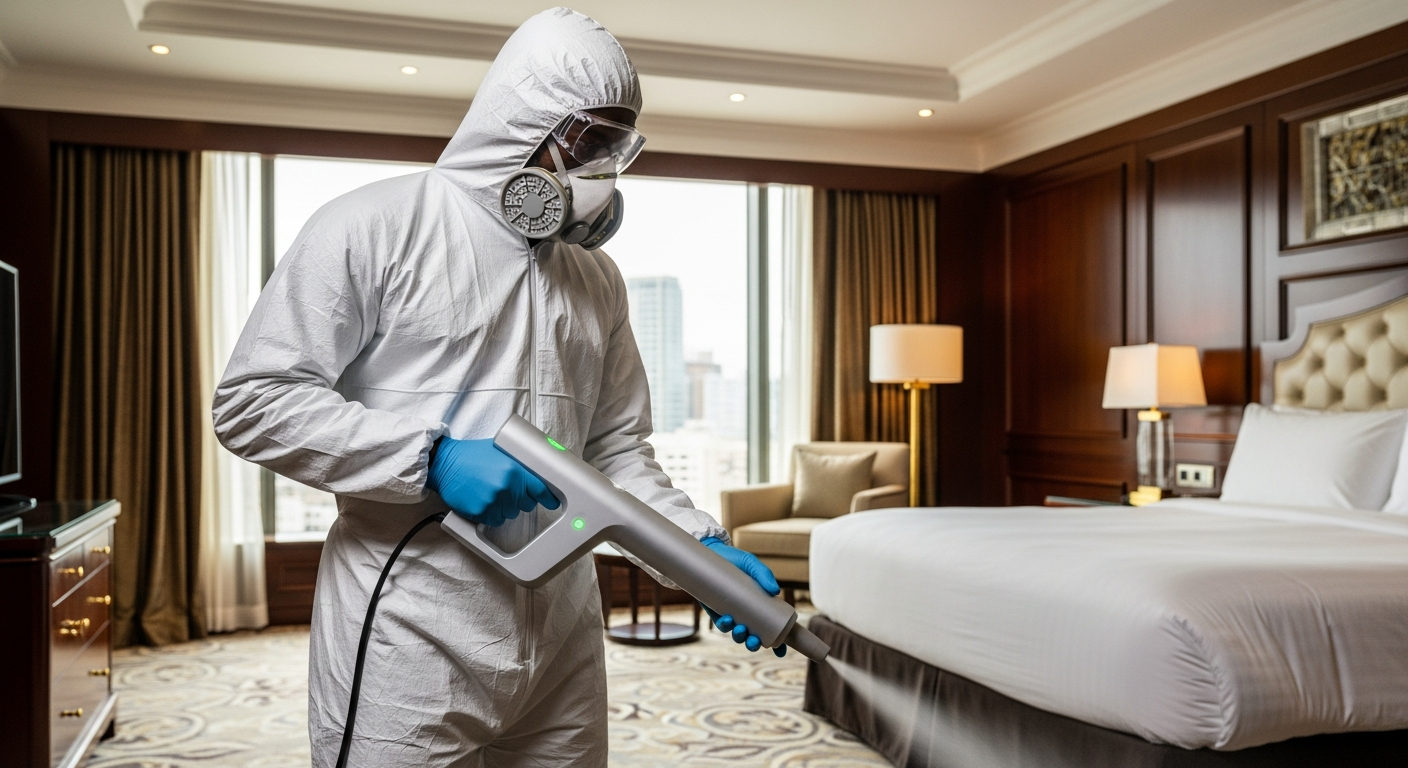
Zone A covers all areas with direct guest or consumer contact: hotel guest rooms and dining areas, food contact surfaces and food storage zones, and retail or public-facing spaces. In Zone A, the tolerance for any pest activity is absolute zero.
Intervention in Zone A is exclusively non-chemical. Mechanical trapping, structural exclusion, pheromone monitoring, and sanitation guidance are the only tools permitted. Chemical products are never applied in Zone A under any circumstances, regardless of infestation pressure.
Zone B: Common Areas (Active Monitoring)
Zone B covers shared or transitional spaces: hotel lobbies and corridors, factory floor perimeters, staff canteens, and service corridors. These areas receive regular monitoring and targeted intervention. Limited chemical use is permitted where necessary, using only Reduced Risk, EPA-approved formulations applied away from food and guest contact.
- Weekly trap inspections and data logging
- Pheromone device rotation every four to six weeks
- Targeted crack and crevice treatments where monitoring data indicates pressure
Zone C: Perimeters (Barrier Defense)
Zone C is the outer boundary of the facility: external walls, drainage systems, loading bays, waste areas, and landscaped zones. This is where Ecoshield establishes its primary barrier against pest entry. Rodent bait stations, fly trap arrays, drain treatments, and perimeter exclusion work are concentrated in Zone C.
Raptor-safe rodent bait stations are used throughout Zone C, ensuring that secondary poisoning of birds of prey and other wildlife is eliminated as a risk. All external stations are GPS-logged and numbered for audit traceability.
The Result: Layered, Predictable Protection
The three-zone framework means that even if pest pressure increases in Zone C, the client's most sensitive areas remain fully protected by the monitoring and exclusion layers built into Zones A and B. It is a system designed to fail safely.